For converters and extenders
Conversion: small enough for “on the side”. Expensive enough for a plan.
Attic conversion, extension, breaking through walls, a new flat in the house: conversion projects run alongside job and family — and precisely therefore without bookkeeping. BOB is the lightest form of discipline: items instead of binders, photos instead of typing, one number instead of a gut feeling.
Where it breaks
Many small amounts, no overview
Three DIY store runs, two electrician visits, one delivery: harmless alone, a five-figure blind flight together.
“While we’re at it …”
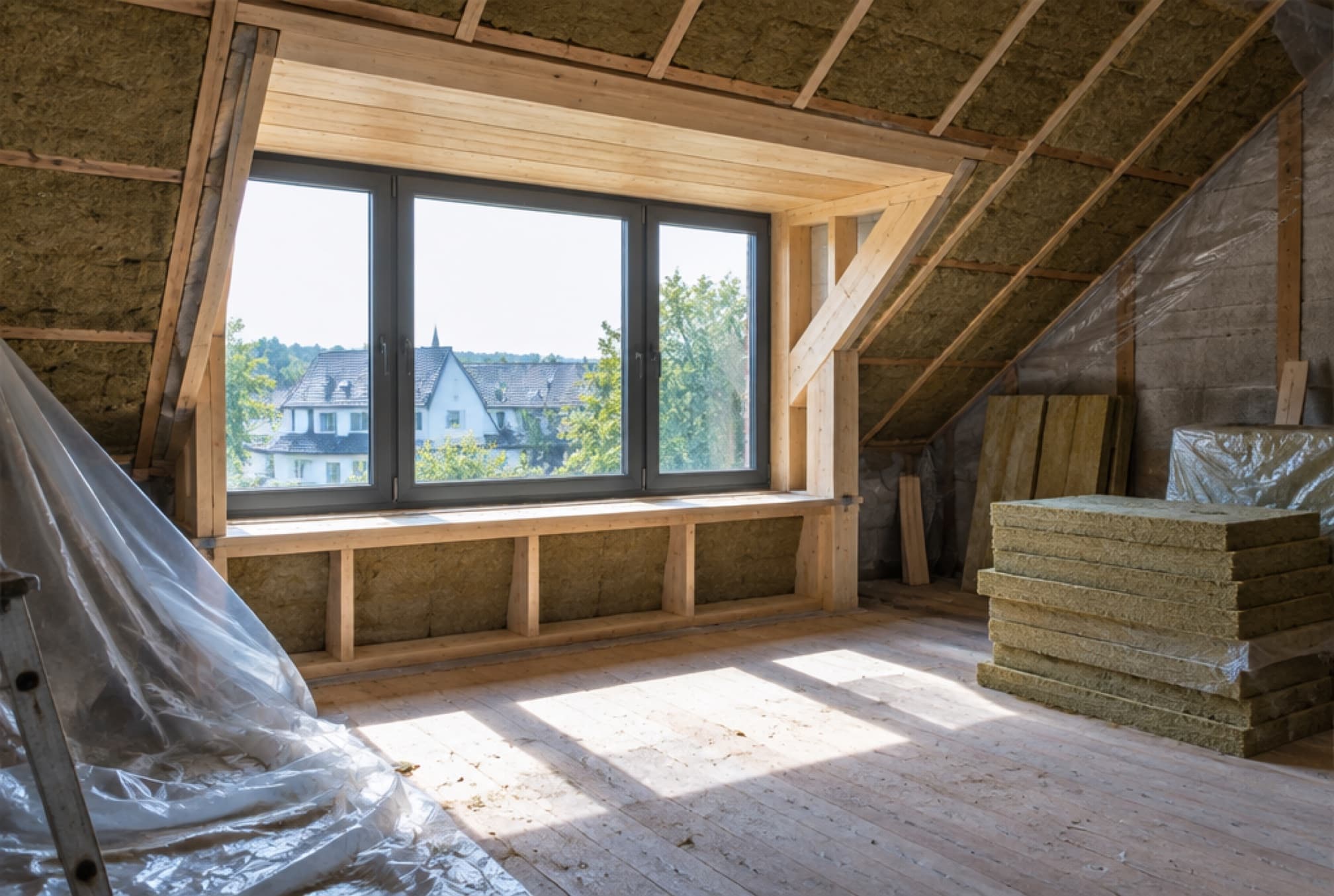
The conversion grows during the build: the roof window becomes a dormer, the dormer a new bathroom. Without a plan, only the total grows.
Permits and structure underestimated
Load-bearing wall, change of use, parking requirement: the formalities cost time and money — usually exactly when both are short.
How BOB helps
A conversion template at project size
Lean instead of 30 trades: the items conversions really have — planning/structural, shell works, electrics, plumbing, fit-out, reserve. The plan stands in five minutes.
DIY store receipts by photo
In conversions the money leaves in small bites. Photograph every receipt, BOB files it — at month’s end you know where the €3,000 of “bits” went.
“While we’re at it” as a conscious decision
Every extension becomes a new item or change order with an amount — before the yes. You decide with a number, not a feeling, whether the dormer fits the budget.
One cap over everything
The budget cap sits above it all: when “free” heads towards zero, you see it on opening the app — not on the bank statement.
How to start: create a conversion project from the lean template → set the cap → drop in quotes and receipts. For the financing question first: the affordability calculator.
Yes — with Free, at no cost. The value depends less on the total than on the number of parties and documents: two trades plus DIY plus the DIY store quickly produce 80 documents. Maintaining those by hand in a spreadsheet ends, in practice, after three weeks.
Depends on the state and the measure: structural interventions, changes of use, dormers and extensions often need permits or notification; much interior work is free. Clarify with a planner or the building authority — and create planning and permit costs as their own items, they are easily forgotten.
As its own items with material and time shares: “drywall DIY — material €1,800, 40 hours”. That keeps visible what you actually save — and what happens when 40 hours become 80.
Yes. Invite your partner with their own role — both record documents, both see the same state. The end of “did you enter that invoice yet?”.